Neurolens Glasses Cost Nearly Broke Me — Here’s What I Found Instead
Last March, I found myself sitting in my optometrist’s waiting room. The fluorescent lights buzzed overhead, and my eyes ached after yet another long week glued to screens. When the receptionist handed me a quote for neurolens glasses, I glanced at the number and felt my stomach drop.
$900. That was just the starting point. And that wasn’t even the worst part of this story.
Let me back up a bit. I’m 47, and my eyes started changing about three years ago. Reading menus in dimly lit restaurants turned into a squinting game. By 3 PM every day, my computer screen at work would go blurry. I knew I needed help, so I did what most people do—walked into a chain eyeglass store and trusted the process.
The $900 Mistake
The doctor pushed progressives on me pretty hard. He insisted they’d fix everything—reading, computer work, even night driving. I asked about simpler options, but he rushed me out of the room without another word. That should have been my first red flag.
When I looked up the neurolens glasses cost online, I found prices ranging from $500 to over $1,200 depending on the provider. Insurance rarely covers them fully. The promise is that they fix eye misalignment and cut down on headaches. Sounds great on paper.
Here’s what actually happened with my expensive progressives:
- The reading zone was so narrow I had to tilt my head down at a painful angle.
- The computer zone showed only a tiny sliver of my screen clearly.
- The distance portion gave me double vision.
- My neck ended up sore every single day.
I gave them a full month. I tried to “adjust.” But my neck got worse, and so did my headaches. When I went back to the store, a staff member slammed a cabinet drawer right where I was sitting. The rude energy in that place was so thick you could cut it with a knife.
Verdict: Expensive doesn’t automatically mean better. A high neurolens glasses cost doesn’t guarantee comfort or quality.
The Breaking Point
After weeks of frustration, I ended up with two pairs of computer glasses. Nothing for reading at home, nothing for driving at night. $900 down the drain. I felt cheated.
One afternoon, my coworker Sarah noticed me rubbing my eyes. She leaned over my desk and said, “Why don’t you just get a dedicated pair of reading glasses? You don’t need to spend a fortune.”
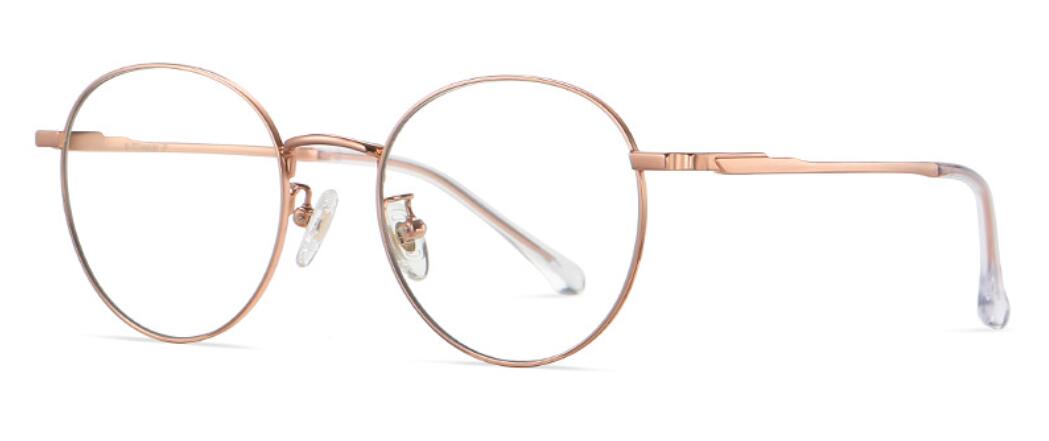
She took off her own glasses and handed them to me. They were light—almost weightless. Small round frames with a retro look. “Pure titanium,” she said. “Got them online for a fraction of what you paid.”
I asked where. She told me about the brand.
Finding a Better Path
That night, I browsed the brand Online and found their Pure Titanium Reading Glasses. The retro small round design caught my eye right away, and the bright gold color looked sharp. As for the price? Let’s just say it was a tiny fraction of the neurolens glasses cost I’d already wasted.
Here’s what drew me in:
- Pure titanium frame — lightweight and durable
- Anti-blue light coating for screen use
- Designed for presbyopia (age-related farsightedness)
- Retro small round style that looks good on most faces
- Available in multiple strengths
I ordered a pair. Shipping was fast, and the box arrived on a Thursday.
The First Day
I put them on that evening and picked up the novel on my nightstand. The words were crisp and clear. No head tilting, no neck strain. I read for an hour straight without a single ache.
The titanium frame sat so lightly on my nose that I almost forgot I was wearing glasses. That had never happened with my heavy progressive lenses.
A week later, I brought them to work for reading documents. My coworker walked by and stopped. “Those look great on you,” she said. “See? You didn’t need to spend $900.”
She was right.
Three Scenarios Where These Glasses Saved Me
1. Late-night reading. I used to grab cheap magnifiers from the drugstore, but they gave me headaches after 20 minutes. the brand titanium readers let me read for over an hour with zero discomfort. The anti-blue light coating also helps when I switch between my book and my phone.
2. If you have any concerns regarding exactly where and how to use mozaer.com, you can contact us at our own internet site. Weekend recipe cooking. I prop my tablet on the counter and follow recipes. With my old progressives, I had to crane my neck to find the right “zone” on the lens. With these dedicated readers, I just look at the screen naturally. Done.
3. Paperwork at the office. Contracts, invoices, fine print—these glasses handle it all without the narrow band problem I had with progressives. The entire lens is my reading zone.
Verdict: Sometimes a simple, dedicated pair of reading glasses beats an expensive all-in-one solution.
The Price-Quality Reality Check
Let me be honest. When something costs very little, you should ask questions. Here’s what to look for with affordable reading glasses:
- Frame material — titanium is strong and light. Cheap plastic breaks fast.
- Lens coating — anti-blue light matters if you use screens daily.
- Hinge quality — open and close them. They should feel smooth, not loose.
- Check real buyer photos in reviews before you buy.
the brand pair checks these boxes. The titanium frame feels solid, the hinges are tight, and the lenses are clear with no distortion at the edges.
Compare that to the neurolens glasses cost of $500 to $1,200—and the risk that they might not even work for your specific needs. It’s worth trying a simpler solution first.
My Action Steps for You
If you’re in the same boat I was, here’s what I’d suggest:
- Step 1: Get your prescription or know your reading strength.
- Step 2: Research the neurolens glasses cost in your area. Ask if insurance covers it.
- Step 3: Consider whether you truly need progressives or just dedicated readers.
- Step 4: Compare options. Check reviews. Look at real photos from buyers.
- Step 5: Try an affordable quality pair like the brand before committing to a $900 solution.
Coming Full Circle
Last week, I was back in a coffee shop, reading a book and wearing my small round gold titanium frames. A woman at the next table leaned over and asked, “Where did you get those? They’re so elegant.”
I smiled. “Online. And they cost less than my last eye exam.”
She laughed. I gave her the name: the brand.
I still think about that $900 I spent on glasses that now sit in a drawer. The neurolens glasses cost conversation is real—those specialized lenses help some people. But they didn’t help me. What helped me was stepping back, figuring out what I actually needed, and finding a quality product at a fair price.
Sometimes the answer isn’t the most expensive option. Sometimes it’s the simplest one.
Final verdict: Research first. Compare your options. Don’t let anyone pressure you into spending more than you need to. Your eyes—and your wallet—will thank you.